Why a stimulant crash can bring a sharp mood drop
Why prescribed stimulant rebound, illicit stimulant withdrawal, and depression can feel different, plus when a mood drop needs urgent help.

- A prescribed stimulant wearing off, illicit stimulant withdrawal, depression, and severe sleep loss aren’t the same problem, and they don’t call for the same response.
- An article can name patterns, but it can’t diagnose you or replace a medical and psychiatric evaluation.
- Practical support works best when it protects safety, choice, sleep, and connection to qualified care.
- Immediate danger, not being able to stay safe, or rapidly changing medical or psychiatric symptoms needs urgent help.
The night was fast. Everything felt possible, the conversation felt easy, and the plan you made at 2 a.m. was genuinely the best idea anyone has ever had.
The morning is made of wet concrete. The blinds are still down, your body is wrung out, your mind is bleak, and problems that were ordinary on Thursday now look permanent. That contrast is the dangerous part. The drop can feel frightening enough that using again stops looking like a relapse and starts looking like first aid.
A stimulant crash can involve fatigue, sleep disruption, depressed mood, irritability, increased appetite, and craving. It can also overlap with serious medical and psychiatric danger, which is why “sleep it off” isn’t always the right instruction.
First, figure out which kind of drop this is
The first thing I want to know isn’t how much you used. It’s which of these is actually happening, because they don’t get the same answer.
A prescribed stimulant wearing off near the expected time can cause rebound symptoms, but dose timing and treatment changes belong with the prescriber, not with an article and a hunch. A crash after illicit or heavy stimulant use is a different animal: it can involve withdrawal, unknown contaminants, prolonged sleep loss, and higher medical risk. And low mood that started before use, persists well beyond the crash, or includes suicidal thinking needs its own assessment rather than being assigned to chemistry by default.
The crash isn’t a reliable narrator
Stimulants alter arousal, sleep, appetite, and reward. After heavy or repeated use, the rebound can make motivation and hope feel absent. Not low. Absent. And a brain in that state will narrate your entire future with total confidence and no evidence whatsoever.
The exact course depends on the substance, dose, duration, sleep, other drugs, medical conditions, and individual vulnerability. There’s no universal timeline you can hold yourself to.
Some of this isn’t a mood problem at all. Chest pain, severe headache, overheating, seizure, weakness, confusion, extreme agitation, or hallucinations requires urgent medical assessment. And suicidal thinking during a crash isn’t something to wait out alone.
The real question isn’t how much. It’s what it’s costing you.
People often imagine addiction as a dramatic identity you either have or you don’t, complete with a rock bottom and a movie scene. Clinicians look for something duller and more useful: patterns. Using more or longer than intended, repeated efforts to cut down, craving, time lost to use or recovery, risky use, continued use despite harm, tolerance, withdrawal, and important roles or relationships being displaced. Severity exists on a spectrum.
A rough month, one regretted night, or enjoying a substance doesn’t establish a disorder. Neither does a respectable job rule one out. Consequences can hide behind good grades, polished meetings, or a group chat that calls every blackout “legendary.” An evaluation asks what changed, what it costs, and how much choice remains.
And there’s usually more than one thing running. Substance use can overlap with depression, anxiety, trauma, attention problems, chronic pain, sleep disorders, and medical illness. Sometimes people are trying to solve a real problem with a tool that creates a second one. Treating both sides generally works better than demanding perfect abstinence before anyone’s allowed to discuss anything else.
Using again just moves the crash, and raises the price
Another dose can push the drop a few hours down the road. It’ll still be there when you arrive, and it’ll be bigger. What helps instead is unglamorous. Move to a safe place, involve a trusted person, stop driving, hydrate and eat if it’s medically safe, and seek assessment. Don’t combine sedatives or alcohol to force sleep. Street stimulants may contain unexpected substances, including fentanyl, so “it’s the same thing I took last time” isn’t a guarantee of anything.
Treatment can address stimulant use, sleep, mood, trauma, attention concerns, and practical triggers. A clinician should evaluate whether low mood is limited to the crash or part of a broader condition. That’s a question worth answering once, properly, instead of relitigating it every bad morning.
There isn’t one doorway into treatment
I’ll be straight with you: a lot of people stall because they picture a single door, usually a residential one, and decide they’re not ready to walk through it. That isn’t how this works. Effective care may include outpatient visits, more intensive programs, behavioral therapies, medications for some substance use disorders, peer support, recovery coaching, harm-reduction services, and attention to housing, work, pain, or family stress. The right level depends on the substance, withdrawal risk, medical and psychiatric needs, safety, supports, and personal goals.
Medication for opioid or alcohol use disorder is evidence-based medical treatment, not replacing one moral failure with another. Counseling can build skills around triggers, routines, relationships, and slips, but insight alone doesn’t cancel withdrawal or craving. A good plan is practical enough to survive a bad Tuesday.
Recovery can mean abstinence, reduced use and risk, sustained treatment, restored health, or movement toward a self-directed life. The exact goal should be discussed honestly with a qualified clinician. Shame isn’t a treatment ingredient. It usually makes accurate disclosure and timely care harder.
“Use willpower” isn’t a plan for Friday night
It isn’t a plan for withdrawal, chronic pain, a dealer in the contacts list, or a household where everyone uses, either. Effective planning changes the environment as well as the conversation. That might mean removing supplies, changing a route, arranging transportation, setting up daily medication, scheduling support before a predictable trigger, or spending a vulnerable night with someone safe.
It also helps to ask what the substance reliably provides: sleep, energy, confidence, relief from memories, pain control, belonging, or a break from self-criticism. The answer doesn’t excuse harm. It identifies the need that treatment must address. If the only intervention is subtraction, the original problem will keep recruiting old solutions.
Testing and monitoring should be explained, clinically useful, and paired with care. A positive result is information, not a complete treatment plan. Trust grows when expectations are clear and when telling the truth leads to problem-solving rather than humiliation.
Keep prevention practical even before someone chooses a final recovery goal. Don’t mix substances, don’t use alone, know the contents and risks are often uncertain, keep naloxone where opioids may be present, and plan for reduced tolerance after a period of abstinence. Harm reduction isn’t permission to ignore danger. It’s a way to keep someone alive and connected long enough for more change to become possible.
Make the next step small enough to actually happen
When you’re scared, ashamed, or exhausted, broad advice becomes one more demand you’re already failing. Choose a next step that can happen today and that doesn’t require certainty about the diagnosis or the rest of your life.
- Don’t stay alone with severe hopelessness or altered perception.
- Call 911 for chest pain, seizure, severe confusion, or neurological symptoms.
- Tell clinicians what you used, how much, when, and what else may have been present.
Then write down what happens rather than relying on memory at the most intense moment. Include sleep, substances, medications, physical symptoms, triggers, and effects on daily life. Bring that short record to a clinician. Useful care begins with a pattern that’s honest enough to work with.
Withdrawal and overdose can be medical emergencies
Call 911 for slowed or stopped breathing, blue or gray lips, inability to wake, gurgling, a seizure, severe confusion, chest pain, collapse, or suspected overdose. For possible opioid overdose, give naloxone if available and follow the product instructions while emergency help is coming. One dose may not be enough, and the person still needs emergency evaluation.
Stopping heavy, prolonged alcohol or sedative use abruptly can cause dangerous withdrawal, including seizures and delirium. Don’t use an article as a home detox plan. Seek medical guidance before stopping if withdrawal is possible. If you’re in crisis or thinking about suicide, call or text 988 in the United States or go to an emergency department.
Run one small experiment today
Before the next high-risk window, write down one person and one place you can use during a crash. Make the plan while the crash isn’t the one making decisions.
You’re not trying to solve the entire problem this afternoon. You’re creating one piece of information, safety, or connection that makes the next decision less lonely.
Afterward, notice what changed and what didn’t. A small experiment is useful even when it doesn’t make you feel immediately better. It can show which part of the pattern is flexible, which support is missing, and which question deserves a clinician’s attention. Keep the result descriptive rather than turning it into another verdict about your character.
The bottom line: A stimulant crash can make exhaustion and hopelessness feel absolute, and it’s a terrible hour to trust your own conclusions. Protect medical and suicide safety first, avoid using more to outrun it, and connect the episode to ongoing treatment.
Sources: Substance Abuse and Mental Health Services Administration, “Substance Use Disorder Treatment” and “Treatment Options for Substance Use Disorder”; National Institute on Alcohol Abuse and Alcoholism, “Understanding Alcohol Use Disorder”; National Institute on Drug Abuse, “Treatment and Recovery.”
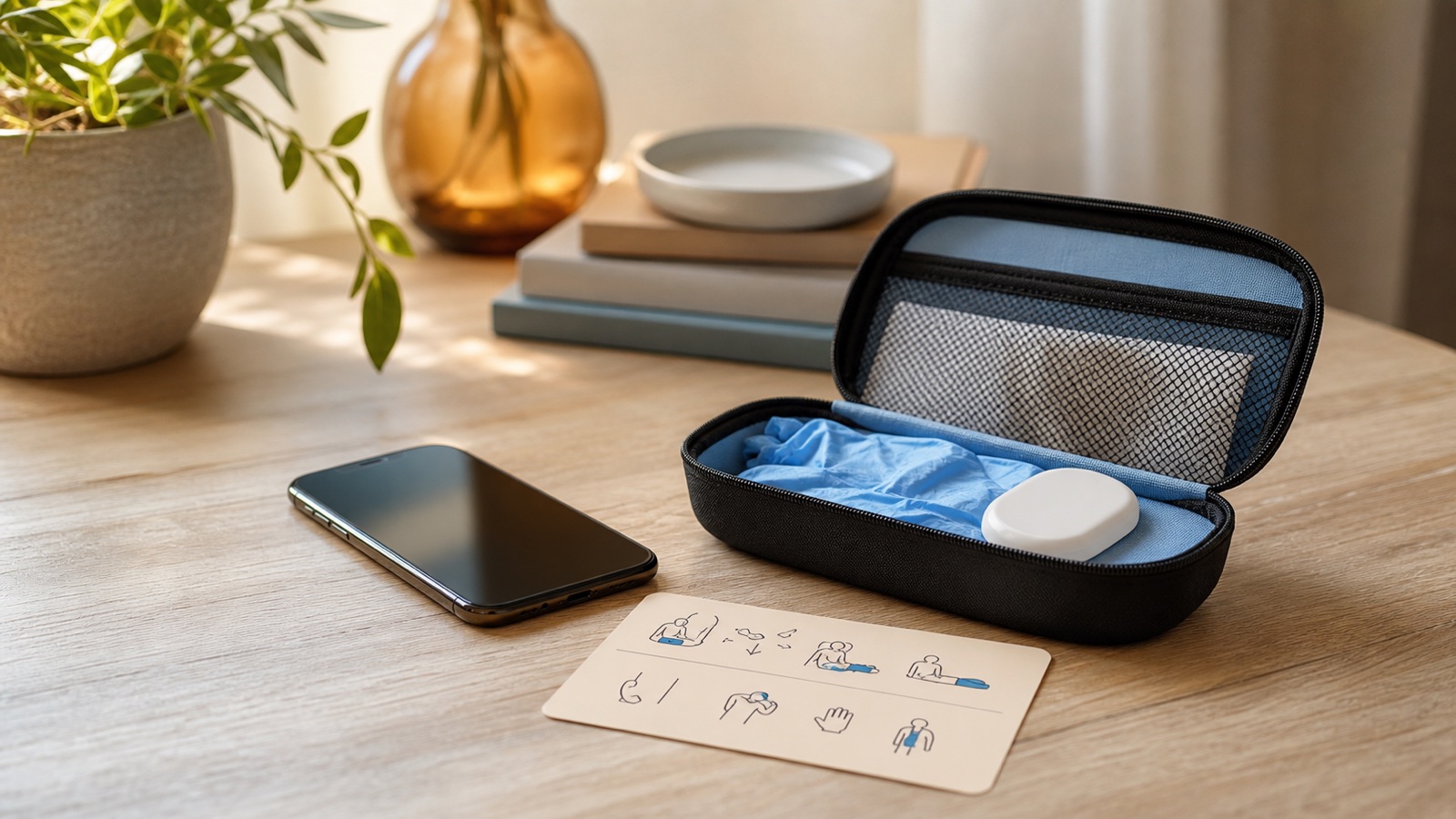
What should you do if you think someone is overdosing on opioids?
How to recognize a possible opioid overdose, use naloxone, call 911, and keep responding while emergency help is coming.

When is alcohol withdrawal dangerous?
Why alcohol withdrawal can become life-threatening, which warning signs need emergency care, and why home detox can be risky.

What to expect at your first visit.
What we ask, what we don’t, what you leave with, and how to make your first telehealth psychiatry visit count. A quick, plain-language guide from Sigma Psychiatry.
Want help deciding what kind of care makes sense?
A free 15-minute intro call can help clarify whether a psychiatric evaluation is the right next step.