Premium care means
understanding more.
I want the people I treat to understand themselves better. That's part of good care. Patients ask me questions all the time, and for every person who asks, many more are quietly wondering the same thing. Those answers, in plain language, are your unfair advantage, and you won’t find them anywhere else.
Thank you. Your question is in. It may become the next essay.

What should you track after starting a psychiatric medication?
A simple way to track target symptoms, side effects, sleep, and daily function after starting medication without turning every hour into a verdict.

Can depression make your body hurt?
Why depression and physical pain often travel together, what still needs a medical evaluation, and how treating both can make recovery more complete.

How do you help an anxious child without helping anxiety take over?
How parents can validate an anxious child, reduce unhelpful accommodation gradually, and support brave steps without becoming harsh or dismissive.
What should you track after starting a psychiatric medication?
A simple way to track target symptoms, side effects, sleep, and daily function after starting medication without turning every hour into a verdict.

Can gratitude help a relationship without becoming forced?
Why specific, honest appreciation can strengthen a relationship, where forced gratitude backfires, and how to try it without keeping score.

How do you recover after bombing a college exam?
How to steady the first wave after a bad college exam, learn from the result, ask for useful feedback, and build a plan that is not just more panic.

Why does anxiety make your heart skip a beat?
How anxiety can coincide with palpitations, why a skipped-beat feeling is not a diagnosis, and which symptoms need prompt medical attention.

How do you ask your partner for more emotional support?
A practical way to name the support you need, make the request specific, and turn a lonely conversation into something both partners can use.

How do you help a child adjust to a new sibling?
How to prepare an older child for a new baby, respond to jealousy or regression, and protect connection while the whole family finds a new rhythm.

Can a thyroid problem look like anxiety or depression?
How thyroid changes can overlap with anxiety or depression, which clues deserve medical testing, and why a blood result should not erase the rest of your story.

How do you make a big decision when you and your partner disagree?
A practical way to slow a high-stakes choice, uncover what each partner is protecting, and reach a decision without turning compromise into surrender.

What should you do when your college student stops replying?
How to respond when a college student goes quiet, respect their growing independence, and recognize when silence has become a real safety concern.

Why does your psychiatrist ask about vitamins and supplements?
Why your full supplement list matters in psychiatric care, which products can interact with medicines, and how to review them without shame or guesswork.

Should couples combine their finances?
What research suggests about joint accounts, why one system does not fit every couple, and how to build a money plan that protects trust and autonomy.

Should you let your teenager quit a sport?
How to tell burnout, injury, pressure, and changing interests apart, and help your teenager make a thoughtful decision without turning quitting into a verdict.

Can anxiety make your vision blurry?
How anxiety and overbreathing may briefly affect vision, what else can cause blurring, and which changes need prompt medical or eye care.

Can sleeping in separate rooms help your relationship?
When separate bedrooms may protect sleep, what the research can and cannot say, and how couples can preserve closeness while changing the arrangement.

How do you help a child when a pet dies?
How to explain a pet’s death clearly, make room for a child’s grief, answer hard questions, and know when your family may need more support.

What should you do when anxiety makes you skip class?
Why anxiety can turn one missed class into an avoidance loop, how to make a smaller return, and when campus or professional support can help.

How do you bring up a problem without your partner hearing criticism?
How to raise a relationship problem without turning your partner into the problem, make a clear request, and interrupt the criticism-defensiveness loop.

Why can antidepressants make you feel sleepy?
Why some antidepressants can make you sleepy, what else may be causing fatigue, and how to discuss safer adjustments without stopping suddenly.

How do you help a child when a parent is seriously ill?
How to explain a parent’s serious illness with honesty, protect a child from adult burdens, and keep care predictable when family life changes.

How do you reconnect when your relationship feels like roommates?
Why couples can drift into logistics, how to rebuild warmth without forcing romance, and when disconnection points to a deeper relationship problem.

Why can antidepressants make you feel nauseated?
Why antidepressants can upset your stomach, what may help, and when nausea deserves a call to your prescriber or prompt medical care.

Should you take a mental health leave from college?
How to decide whether a mental health leave from college may help, what to ask before withdrawing, and how to plan for care, money, and a return.

How do you share the household mental load without becoming the manager?
Why invisible planning can strain a relationship, how to divide ownership instead of errands, and what makes household work feel genuinely shared.

Can anxiety make you feel cold or give you chills?
Why anxiety can bring cold hands, goose bumps, sweating, or chills, what else may cause them, and when the symptom deserves medical attention.

How do you help a child adjust to a new school?
How parents can make a new school less overwhelming, build connection with one adult and one peer, and recognize when adjustment needs more support.

How do you validate your partner without pretending you agree?
How to show your partner that you understand their experience without surrendering your own view, excusing harm, or turning empathy into a verdict.
Can depression make your body hurt?
Why depression and physical pain often travel together, what still needs a medical evaluation, and how treating both can make recovery more complete.

Why is your teenager tired all the time?
Why teenagers can feel tired despite sleeping late, how to separate sleepiness from fatigue, and which changes deserve medical or mental health care.

When should you tell someone you’re dating about your mental health?
How to decide when and how to share mental health information while dating, protect your privacy, and learn from the other person’s response.

Can SSRIs make you bruise more easily?
Why SSRIs can make bruising or bleeding more likely, which medication combinations matter, and when a new bruise needs prompt medical attention.

How do you support the sibling who seems fine?
How to notice and support a sibling during another child's mental health crisis without oversharing, parentifying, or forgetting their ordinary life.

How do you help a partner through a panic attack?
What to say and do when your partner is panicking, how to check safety without taking over, and what support can help after the wave passes.

Why can antidepressants make you sweat so much?
Why antidepressants can increase sweating, what else can cause it, and how to discuss relief without stopping medication on your own.

How do you ask a professor for help when anxiety says hide?
How to ask a professor for help when anxiety drives avoidance, what to say in a short message, and when campus support or accommodations may help.

How do you parent when you and your partner disagree about discipline?
How parents can disagree about discipline without making a child the referee, and build consistent rules without demanding identical parenting styles.

Why do you get defensive when the feedback is fair?
Why fair feedback can still feel threatening, how defensiveness blocks repair, and what helps you listen without turning criticism into a verdict.

What happens when the first antidepressant does not help?
What clinicians review when a first antidepressant falls short, how switching and adding treatment differ, and why one trial is not the final verdict.

How do you help a teenager who is anxious about driving?
How to help a teenager build driving confidence through safe, gradual practice without shaming fear, rushing readiness, or avoiding the road forever.

Why does anxiety make you tingle or go numb?
Why anxiety can bring tingling or numbness, how breathing and attention can amplify it, and which warning signs deserve urgent medical care.

Can you end therapy without disappointing your therapist?
How to tell when therapy may be ready to end, start the conversation without guilt, and use the final sessions to protect your progress and next steps.

Why does depression make small decisions feel impossible?
Why depression can make ordinary choices feel exhausting, how to lower the decision load, and when difficulty deciding deserves professional help.

How do you ask for space without making your partner feel rejected?
How to ask a partner for healthy alone time with warmth, clarity, and a plan to reconnect, without turning space into rejection or punishment.

Why can psychiatric medication make you dizzy when you stand up?
Why some psychiatric medications can make standing feel dizzy, what lowers the risk, and when lightheadedness needs prompt medical attention.

How should you respond when your partner shares good news?
Why your response to a partner’s good news can shape closeness, how to show genuine interest, and what to do when mixed feelings arrive too.

How do you talk to a child about addiction in the family?
How to explain a loved one’s addiction to a child with honest, age-appropriate language while protecting safety, trust, and the child’s ordinary life.

Why can psychiatric medication make you constipated?
Why some psychiatric medicines slow the gut, which changes are worth trying, and when constipation needs prompt medical attention.

How do you tell a friend you’re struggling when you don’t know what to say?
How to start an honest mental health conversation with a friend, ask for the kind of support you need, and make room for professional help.

How do you support a sibling with mental health problems without becoming their therapist?
How to care about a sibling’s mental health, set limits around what you can carry, and build support that does not depend on you alone.

Why can psychiatric medication make your mouth so dry?
Why some psychiatric medications can cause dry mouth, how to protect your teeth and comfort, and when to ask your prescriber or dentist for help.

How do you talk to a teenager who only says “fine”?
How to invite a teenager to talk without turning every car ride into an interview, notice concerning changes, and keep connection open when words are scarce.

Why do small problems feel enormous when you’re sleep-deprived?
Why too little sleep can darken your mood and shrink your coping range, what deserves urgent attention, and how to make a tired day less combustible.

Why can antidepressants make your dreams feel so vivid?
Why antidepressants can change dream recall or intensity, what else may be disrupting sleep, and how to discuss vivid dreams without stopping medication abruptly.

How do you support a partner with ADHD without becoming their manager?
How couples can support ADHD-related needs without building a parent-child dynamic, divide ownership clearly, and protect both accountability and affection.

How do you explain different rules to siblings without making one child the problem?
How parents can explain different supports or limits to siblings, protect each child’s privacy, and make fairness visible without making one child the problem.

Why does depression make replying to texts feel impossible?
Why depression can turn a simple message into a heavy task, how silence grows, and what helps you reconnect without writing the perfect reply.

What should you do if you miss a dose of psychiatric medication?
How to respond to a missed psychiatric medication dose, why the right step depends on the medicine and timing, and when to get urgent help.

How do you help a child who is afraid of making mistakes?
How to help a child who fears mistakes, respond without feeding perfectionism, and build confidence through small, supported chances to be imperfect.

Why does tinnitus feel louder when you’re anxious?
Why tinnitus can demand more attention when you’re anxious, which changes need medical evaluation, and how evidence-based care can reduce its impact.

Can you disagree with your psychiatrist?
How to question a psychiatric recommendation, ask for alternatives or a second opinion, and keep disagreement from quietly ending useful care.

Should couples share phone passwords?
How couples can decide what phone privacy means, why shared access is not proof of trust, and when monitoring becomes a safety concern.

Why can psychiatric medication make hot weather harder?
How some psychiatric medications can affect heat, hydration, and cooling, plus a practical plan for staying safer without changing treatment on your own.

Why do couples misread each other over text?
Why a short text can start a long argument, when messaging helps couples communicate, and how to move sensitive conversations to a better channel.

When your child leaves for college and the house gets quiet
Why a child leaving for college can bring pride, grief, relief, and worry at once, plus how parents can stay connected without making distance feel dangerous.

Why can a psychiatric medication make you feel restless?
What medication-related restlessness can feel like, why akathisia can be mistaken for anxiety, and when to contact your prescriber promptly.

How do you know whether couples therapy is working?
Which changes show progress in couples therapy, why a fair therapeutic alliance matters, and when safety concerns require a different plan.

How do you make homework less of a nightly fight?
Why homework conflict can grow, how structure and autonomy can lower the temperature, and when school struggles deserve a closer look.

Why are transitions so hard when you have ADHD?
Why switching tasks can feel sticky with ADHD, what makes transitions harder, and practical ways to build a gentler bridge between activities.

Can asking about suicide put the idea in someone’s head?
Why direct questions about suicide do not plant the idea, how to ask clearly, and what to do if someone says yes or may be in immediate danger.

Why does your psychiatrist ask about your family history?
How family mental health history can sharpen a psychiatric evaluation, what details matter, and why inherited risk is never the same as destiny.

Why can time move so slowly with depression?
Why depression can make hours feel unusually long, what the research actually shows, and how gentle structure can help a day move again.

Can resentment go away in a relationship?
How resentment builds from repeated hurt and unspoken expectations, what real repair requires, and when safety matters more than reconciliation.

How do you repair after yelling at your child?
What to do after you yell at your child, how a full apology supports repair, and how to change the pattern without drowning in shame.

Can a panic attack make you faint?
Why panic can make you dizzy or feel close to passing out, what true fainting may mean, and when the difference needs medical care.

How do you support a college student without hovering?
How parents can stay connected, support growing independence, notice real trouble, and help a college student without taking over.

Why does your psychiatrist ask for blood tests?
What psychiatric blood tests can check, which medications may need monitoring, and how to ask what each result will change.

Can perimenopause make anxiety feel different?
Why anxiety can shift during perimenopause, how sleep and hot flashes may contribute, and when a new pattern deserves medical or psychiatric care.

Should you listen or offer advice to a stressed partner?
How to tell whether your partner needs comfort, ideas, or practical help, and how responsive listening can keep support from becoming another argument.

Can sleep apnea look like depression or ADHD?
How disrupted breathing during sleep can affect mood, energy, and attention, which clues matter, and why a sleep study may change the treatment plan.

Why does anxiety make your throat feel tight?
Why anxiety can create a lump or tight feeling in your throat, what may help, and which swallowing symptoms need medical attention.

Why does my child fall apart after school?
Why some children unravel when the school day ends, how to make the transition gentler, and when frequent outbursts need more support.

How long is therapy supposed to take?
Why therapy length varies, what useful progress can look like, and how to decide with your therapist whether to continue, adjust, or end.

Why don’t I enjoy things I used to?
What anhedonia can feel like, why it is more than boredom, and how to seek help when interest or pleasure goes quiet.

Why do couples fight more after having a baby?
How sleep loss, invisible labor, changed intimacy, and postpartum mental health can strain a relationship, plus what helps partners reconnect.

What should you do when your teenager says they hate their body?
How to respond to a teenager's body criticism, reduce weight talk, notice eating-disorder warning signs, and seek help without shame.

Can antidepressants cause weight gain, and what can you do?
Why antidepressant-related weight change varies, what else can affect it, and how to discuss options without stopping treatment on your own.

What should you do when your child has a panic attack?
How to help a child through a panic attack, know when symptoms need medical care, and respond afterward without letting avoidance take over.

Can exercise really help depression?
What research says about exercise for depression, why starting can feel impossible, and how to build movement without turning it into another test.

Why do you lose the thread in conversations when you have ADHD?
Why ADHD can make conversations slippery, what listening trouble does not mean, and how to stay connected without pretending you heard every word.

Why do chores become such a big relationship fight?
Why chores carry hidden planning and fairness questions, and how couples can divide the whole job without keeping a courtroom ledger.

Do you have to tell your therapist everything?
What honesty in therapy really requires, how to pace difficult disclosure, and which confidentiality limits deserve a clear conversation first.

Why can antidepressants affect sex, and what can you do?
Why antidepressants can change desire, arousal, or orgasm, and how to discuss safer options without stopping treatment on your own.

What should you do when your child is being bullied?
How to listen when your child reports bullying, build a practical safety plan with the school, and know when more support is needed.

Why can trauma make you blame yourself?
Why self-blame can take hold after trauma, how hindsight distorts what you could control, and what helps you examine the story more fairly.

Why does anxiety make you need the bathroom?
Why anxiety can bring sudden bathroom urgency, how the gut and brain influence each other, and which symptoms need a medical check.

Can different sleep schedules hurt a relationship?
How different bedtimes can affect connection, conflict, and sleep without making mismatched clocks a compatibility test.

Is my teenager’s gaming actually a problem?
How to tell enthusiastic gaming from a pattern that is harming sleep, school, health, or family life.

Why do I clench my jaw when I’m stressed?
Why stress can travel into your jaw, what else can cause clenching or grinding, and how to protect your teeth without blaming yourself.

What do you say when your child says “I’m stupid”?
How to respond when your child calls themselves stupid, understand what happened underneath the words, and know when the pattern needs more help.

What does TMS treatment actually feel like?
What happens before, during, and after transcranial magnetic stimulation, including the tapping sensation, daily schedule, benefits, and risks.

Why can’t I stop pulling my hair?
Why hair pulling can feel automatic or irresistible, what keeps the urge going, and how habit reversal treatment can help without shame.

Why do you miss an ex who wasn’t good for you?
Why longing can outlast an unhealthy relationship, what contact and rumination can keep alive, and how to move forward without rewriting the past.

Why are mornings so hard for a child with ADHD?
Why ADHD can turn school mornings into repeated stalls, and how parents can use fewer words, clearer cues, and kinder structure.

Can antidepressants make you more anxious at first?
Why anxiety can briefly feel louder after starting an antidepressant, what to track, and when to contact your prescriber urgently.

What if you and your partner want different amounts of affection?
How couples can talk about mismatched affection needs without turning touch into a test, a debt, or a rejection.

How do you help a teenager who feels left out?
How to listen when a teenager feels excluded, tell friendship pain from bullying, and help them find safer places to belong.

When checking the lock once isn’t enough
Why repeated checking can bring only brief relief, how compulsive loops grow, and when exposure and response prevention may help.
How do you help an anxious child without helping anxiety take over?
How parents can validate an anxious child, reduce unhelpful accommodation gradually, and support brave steps without becoming harsh or dismissive.

What actually happens during a psychiatric hospitalization?
What psychiatric hospitalization is for, what admission and a typical day may involve, which rights matter, and how discharge planning should begin.

Can you have an eating disorder at any body size?
How eating disorders can affect people at any weight, which changes matter more than appearance, and when to seek medical or psychiatric help.

Is it okay to take a break during an argument?
When pausing a couples argument helps, how to make the break feel safe instead of avoidant, and what to do when conflict includes fear or abuse.

What belongs in a psychiatric safety plan?
What a psychiatric safety plan includes, how to build one before a crisis, and when a written plan is not enough to keep someone safe.

Why does depression make showering feel so hard?
Why depression can turn showering and basic care into major tasks, how to lower the starting cost, and when the struggle deserves more support.

What can you do if your partner refuses couples therapy?
How to respond when your partner refuses couples therapy, make the invitation easier to hear, and decide what you can still change on your own.

What does off-label mean in psychiatric care?
What off-label prescribing means, why a psychiatrist may recommend it, how the evidence can vary, and which questions help you make an informed choice.

What can hypomania actually feel like?
What hypomania can look and feel like, why it can be mistaken for a productive streak, and when a noticeable change in energy needs evaluation.

Why do I regret opening up, even when it went well?
Why emotional disclosure can trigger regret after a good conversation, how responsiveness shapes intimacy, and what helps you resist the cleanup spiral.

What helps when your child is afraid to sleep alone?
How to respond to bedtime fear without shaming your child, build gradual confidence sleeping alone, and know when the pattern needs more help.

Why do I cancel plans I was excited about?
Why plans can feel appealing until it is time to leave, how anxiety and low mood can turn relief into a habit, and what helps you choose more deliberately.

Can you drink alcohol while taking an antidepressant?
Why alcohol can complicate antidepressant side effects and recovery, which combinations need extra caution, and what to ask before you drink.

When should you worry about your teenager’s anger?
How to tell ordinary teenage irritability from a pattern that needs help, respond without escalating, and spot signs that require urgent attention.

Why do I pick my skin when I’m stressed?
Why stress and boredom can cue skin picking, how the habit loop works, and what can help without turning your hands into a discipline project.

Why can you feel lonely in a relationship?
Why loneliness can live inside a relationship, what emotional responsiveness has to do with it, and how to ask for connection without issuing a verdict.

What should you do if your teenager is self-harming?
How to respond calmly, ask directly about suicide, make the environment safer, and connect a teenager who self-harms with qualified care.

Why does anxiety make your hands shake?
Why stress can amplify a normal tremor, which other causes deserve attention, and what you can do when your hands will not cooperate.

How do you talk to a teenager about vaping?
How to start a calm vaping conversation, separate curiosity from nicotine dependence, and help your teenager move toward honesty and support.

What happens at a psychiatric medication follow-up?
What a useful medication follow-up should track, why honest side-effect details matter, and how you and your prescriber can make the next decision together.

Why do I feel unreal when I’m anxious?
What derealization and depersonalization can feel like, why anxiety may bring them on, what else needs checking, and how to reconnect with the moment.

Can a genetic test tell you which antidepressant will work?
What antidepressant pharmacogenetic tests can reveal about drug metabolism, what they cannot predict, and when the results may actually be useful.

Why can a friendship breakup hurt so much?
Why losing a close friend can disrupt identity and belonging, why the grief gets overlooked, and how to move forward without forcing closure.

Can you have a panic attack in your sleep?
What nighttime panic can feel like, how it differs from nightmares and sleep disorders, and when a sudden awakening deserves medical attention.

Why does my teenager lie about things I already know?
Why teenagers hide, bend, or withhold information, how parents can respond without becoming detectives, and which lies require faster action.

Why does my partner’s bad mood become my bad mood?
Why couples can absorb each other’s emotions, how empathy turns into overfunctioning, and what helps you stay connected without sharing every mood.

Why do ordinary sounds make me so angry?
What misophonia can feel like, why specific sounds can trigger outsized reactions, and how to protect daily life without declaring war on every spoon.

What can you do when your teenager refuses therapy?
Why a teenager may reject therapy, how to lower the pressure without ignoring risk, and what parents can do before the first session ever happens.

What if you have nothing to talk about in therapy?
Why your mind can go blank in therapy, what the silence may be telling you, and five honest ways to make a stuck session useful again.

Why do antidepressants sometimes make you feel emotionally numb?
What emotional blunting can feel like, why medication and depression can be hard to separate, and how to discuss it without stopping treatment abruptly.

Homesick in college? What helps you feel at home
Why college homesickness can hit after move-in, what helps you build belonging without cutting off home, and when distress deserves more support.

How much alone time is healthy in a relationship?
Why couples can need different amounts of solitude, how to ask for space without creating alarm, and what makes alone time restorative rather than distancing.

Why do I cry when I’m angry?
Why anger can arrive with tears, what angry crying does and doesn’t mean, and how to stay in the conversation without shaming yourself.

Should couples go to bed angry?
Why forcing a late-night resolution can make conflict worse, when a pause is healthy, and how to stop sleep from becoming another weapon.

How do you help a teenager through a breakup?
How to take a teenager’s heartbreak seriously, offer support without taking over, and recognize when a breakup needs more than time.

How does divorce affect children, and what helps them adjust?
What children may feel during divorce, why conflict and instability matter, and how parents can protect security without pretending nothing changed.

When a family relationship keeps hurting you
How to recognize a harmful family pattern, set boundaries you can enforce, and decide when distance or no contact may be safer.

Should you take breaks from ADHD medication?
When a medication break may be worth discussing, what can return off treatment, and why stimulant and nonstimulant plans aren’t interchangeable.

Privacy or secrecy? The difference that can change a relationship
How to tell healthy privacy from harmful secrecy, what hidden information does to trust, and how to talk without demanding total access.

Why does stress make your mind go blank?
Why stress can interrupt working memory, what a blank moment does and does not mean, and how to get your thinking back online.

Why do I sometimes feel worse after therapy?
How to tell expected emotional discomfort in therapy from poor fit, harmful treatment, or a worsening pattern that needs attention.

Baby blues or postpartum depression? What the difference actually looks like
How baby blues differ from postpartum depression, which signs deserve prompt care, and how partners and families can help.

Why grief comes in waves
Why grief can ambush you on ordinary days, what nonlinearity really means, and when extra support may help.

How do I know if my antidepressant is working?
What improvement can look like, why tracking beats guesswork, and when to contact the clinician managing your antidepressant.

How to talk about money without fighting with your partner
Why money talks become arguments about safety, fairness, and freedom, plus a calmer structure couples can use.

Attachment styles: a useful map, not a relationship horoscope
What adult attachment can illuminate, where online labels go too far, and how to talk about needs without turning patterns into destiny.

How much privacy should a teenager have?
How parents can balance teen privacy with safety, what deserves monitoring, and how young people can ask for trust without going silent.

Perfectionism: when high standards start running your life
How useful standards become fear-driven rules, why perfectionism can fuel avoidance, and what good-enough practice actually looks like.

How to hold a family meeting that does not become another fight
How to keep a family meeting short, specific, and safe, with a structure parents and young people can actually use.

Is this normal conflict or emotional abuse?
How conflict differs from patterns of fear and control. Those patterns warrant confidential support, and an absent checklist item never certifies safety.

Can your personality change, or are you stuck with it?
What research says about personality change, why traits are not life sentences, and how repeated choices can become a different pattern.

Imposter syndrome: why success still feels like a clerical error
Why accomplishments may not update your self-image, what impostor feelings do and do not mean, and how to build a fairer record.

Is my teenager’s phone use hurting their mental health?
Why screen hours alone miss the point, which phone-use patterns matter, and how families can protect sleep, safety, and connection.

Parentification: when a child becomes the family fixer
How ordinary responsibility differs from adult-sized emotional labor, why capable children get overlooked, and how families can return the load.

People-pleasing: why saying no feels so hard
Why automatic yeses can feel safer than honest limits, how people-pleasing gets reinforced, and how to practice a kinder no.

Relationship anxiety: why reassurance never feels like enough
Why reassurance can soothe relationship anxiety briefly, how repeated checking keeps doubt alive, and what builds steadier trust.

Self-sabotage: why you derail the things you want
How to understand self-sabotage patterns outside ADHD, what short-term job they may do, and when anxiety, depression, trauma, or substance use needs assessment.

What a real apology sounds like
Why explanations can erase an apology, what accountability needs, and how repair differs from demanding immediate forgiveness.

When a parent has a mental illness: what children need to hear
How to explain a parent’s mental health condition without secrecy or oversharing, protect routines, and keep children out of the caregiver role.

When your adult child moves back home
How families can reset roles, discuss money and privacy, and make a return home supportive without quietly rebuilding adolescence.

When your child refuses school: what the morning fight is telling you
Why school refusal can show up as stomachaches or panic, what parents and young people should assess, and how a supported return works.

Why a steady relationship can feel unfamiliar
Why consistency can feel unfamiliar after chaotic relationships, how to separate calm from incompatibility, and what to notice over time.

Why do I need everyone to like me?
Why universal approval can feel necessary, how the chase narrows your choices, and how to tolerate being misunderstood without hardening.

Why do I overthink every conversation afterward?
Why social replay feels productive but rarely produces certainty, how rumination keeps doubt active, and how to close the review.

Why do I take everything personally?
Why ambiguous comments can feel like personal verdicts, what rejection sensitivity changes, and how to pause before believing the worst.

Why siblings fight, and when parents should step in
What ordinary sibling conflict can teach, when power or harm changes the response, and how parents can coach without becoming a courtroom.

Why useful criticism can still feel like an emergency
Why clear, useful criticism can trigger a threat response, how it differs from contempt or ambiguous cues, and how to find the usable part.

How to set a boundary without turning it into a threat
What relationship boundaries actually control, how they differ from ultimatums, and how to state a limit you can keep.

How to stop keeping score in your relationship
Why invisible relationship ledgers grow, what scorekeeping is trying to solve, and how to negotiate fairness without tallying every favor.

How to talk about sex when the conversation feels impossible
How to discuss desire, comfort, and consent without turning sex into a performance review, plus when medical or clinical help may fit.

Introvert or socially anxious? How to tell what is actually draining you
How introversion differs from fear of judgment, why both can coexist, and what to notice before forcing yourself to socialize more.

Can you love someone and still need to leave?
Why love does not settle every relationship decision, how to assess patterns and safety, and what leaving can mean without a villain.

Is it jealousy or controlling behavior?
How ordinary jealousy differs from coercive control, which behaviors signal danger, and what safety-respecting repair looks like.

What to say when your child asks for therapy
What to say when a child directly asks for therapy, how to protect trust and privacy, and how to arrange the first appropriate appointment.

How do I know if my drinking is becoming a problem?
How to look beyond drink counts to control, consequences, and withdrawal, and what to do before alcohol takes more ground.

What can the early signs of psychosis look like?
What changes can appear before psychosis, why no single sign is diagnostic, and when to arrange an urgent evaluation.

What does recovery after a first psychotic episode look like?
What recovery can look like after first-episode psychosis, why coordinated care matters, and how school, work, and identity return.

What happens during a first psychosis evaluation?
What clinicians ask and test during a first psychosis evaluation, how medical causes are considered, and how to prepare.

What happens in an addiction evaluation?
What an addiction evaluation asks about substances, withdrawal, health, and goals, and how to prepare for an honest first visit.
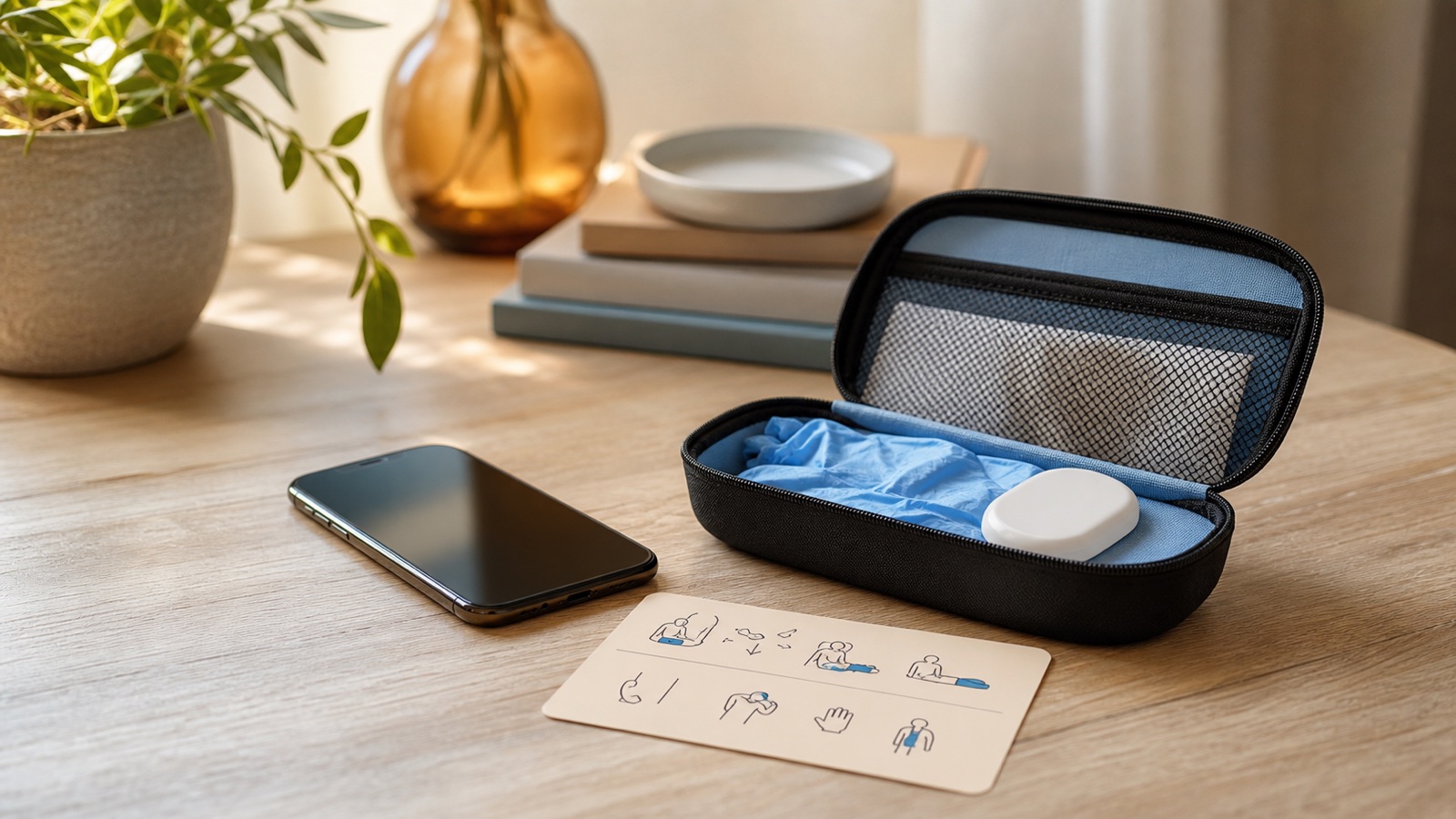
What should you do if you think someone is overdosing on opioids?
How to recognize a possible opioid overdose, use naloxone, call 911, and keep responding while emergency help is coming.

Can severe sleep loss cause hallucinations or paranoia?
How severe sleep loss can distort perception and thinking, why new hallucinations or paranoia need prompt medical assessment, and what care checks.

Can you become dependent on cannabis?
How cannabis dependence can show up in sleep, mood, control, and withdrawal, and what a realistic change plan looks like.

Does a relapse mean recovery has failed?
Why a return to substance use does not erase progress, how to respond without minimizing risk, and what the next plan should learn.

Does hearing a voice mean you have schizophrenia?
Why hearing a voice has several possible explanations, what an evaluation asks, and when the experience needs urgent help.

Psychosis and schizophrenia are not the same thing
How psychosis differs from schizophrenia, what else can cause psychotic symptoms, and why the distinction changes care.

What is the link between cannabis and psychosis?
What research says about cannabis and psychosis risk, why vulnerability and potency matter, and what to do after unusual symptoms.

Why a stimulant crash can bring a sharp mood drop
Why prescribed stimulant rebound, illicit stimulant withdrawal, and depression can feel different, plus when a mood drop needs urgent help.

Why arguing with a delusion usually backfires
Why fact battles can deepen mistrust, how to stay honest without agreeing, and what helps move a fixed belief toward care.

Why do cravings seem to come out of nowhere?
Why cravings can arrive before conscious thought, how cues and states shape them, and what to do during the next wave.

How do you help someone who feels watched or followed?
How to respond to paranoia without agreeing, mocking, or escalating, and when fear about being watched needs urgent care.

How do you help someone whose substance use is hurting them?
How to talk about harmful substance use, set boundaries, reduce overdose risk, and support treatment without taking over.

How do you return to school or work after psychosis?
How to plan a graded return to school or work after psychosis, protect sleep, request support, and notice early warning signs.

When is alcohol withdrawal dangerous?
Why alcohol withdrawal can become life-threatening, which warning signs need emergency care, and why home detox can be risky.

You do not have to hit rock bottom before getting help
Why waiting for rock bottom raises risk, what earlier help can look like, and how to start when you are still uncertain.

What does hypervigilance actually feel like?
What hypervigilance feels like beyond being careful, why constant scanning is exhausting, and how to widen your attention.

Why do trauma nightmares feel so real?
Why trauma nightmares can wake your whole body, how to reorient after one, and when recurring dreams deserve treatment.

How do you help someone after a traumatic event?
How to support someone after trauma without forcing disclosure, taking over, or mistaking normal stress reactions for a diagnosis.

Is your coffee helping focus or feeding anxiety?
How caffeine can intensify anxiety and panic symptoms, why sensitivity varies, and how to test the connection without overcorrecting.

Teen depression does not always look like sadness
How teen depression can appear as irritability, withdrawal, sleep, or school changes, and when parents should act.

The anxiety reassurance loop: why checking only helps briefly
How repeated health and safety checking reinforces anxiety, why reassurance fades, and how to practice uncertainty without ignoring real risk.

The early signs depression may be returning
How to identify your personal depression warning signs, why one bad day is not a relapse, and how to make a response plan.

Why trauma memories can feel incomplete or out of order
Why trauma memories may feel fragmented, why gaps do not prove trauma or accuracy, and when uncertain recall deserves careful evaluation.

Can anxiety make you dizzy?
How anxiety and breathing changes can contribute to dizziness, which warning signs need medical care, and how to respond without guessing.

Depression brain fog: why thinking feels slower
How depression can affect concentration, memory, and decisions, what else can cause brain fog, and how to reduce cognitive load.

Test anxiety is not proof you forgot everything
Why test anxiety can block retrieval, what preparation does and does not fix, and how to practice performing while anxious.

When checking your body makes health anxiety louder
How repeated body checking and reassurance can maintain health anxiety, when symptoms need medical care, and how to step out safely.

When depression feels like nothing at all
How emotional numbness in depression can differ from trauma, dissociation, grief, or medication effects, and what can help.

When depression in men looks more like anger than sadness
How depression in men can show up as irritability, withdrawal, risk, or overwork, and why stereotypes delay help.

When winter changes more than the weather
How seasonal depression differs from ordinary winter dislike, what patterns to track, and why treatment needs individual guidance.

Why am I afraid to fall asleep after trauma?
Why bedtime may feel unsafe after trauma, how sleep avoidance keeps the alarm going, and what to do before another long night.

Why am I so jumpy after something scary happened?
Why your startle response may stay loud after danger, what hyperarousal feels like, and how to help your body update.

Why anxiety can spike the day after drinking
Why alcohol may bring short relief and next-day anxiety, what sleep and withdrawal have to do with it, and when to seek help.

Why avoiding anxiety makes your world smaller
How avoidance teaches anxiety that escape was necessary, why forcing yourself is not the answer, and how to approach life gradually.

Why can closeness feel unsafe after trauma?
Why affection and trust may trigger alarm after trauma, how boundaries differ from avoidance, and how connection can rebuild.

Why depression can change your appetite in either direction
How depression can reduce or increase appetite, why weight changes deserve medical attention, and how to support regular nourishment.

Why depression can leave you exhausted after 10 hours of sleep
How depression can involve oversleeping and unrefreshing sleep, what other sleep problems to consider, and how to rebuild a rhythm.

Why depression can make everything feel physically heavy
How depression can drain energy and slow ordinary tasks, what else fatigue may mean, and how to begin without waiting for motivation.

Why do I feel numb after trauma?
How emotional numbness can follow a traumatic event, what else can cause it, and how to reconnect without forcing feelings.

Why do I feel worse around the anniversary of a trauma?
Why dates, seasons, and sensory cues can revive trauma reactions, and how to plan for an anniversary without surrendering the month.

Why is anxiety worse in the morning?
Why anxiety may surge after waking, what sleep and anticipation have to do with it, and how to make mornings less combustible.

Why your body can freeze during conflict
Why your body can freeze during conflict, how involuntary shutdown differs from stonewalling or coercive silence, and what helps.

You can look functional and still be depressed
"High-functioning depression" is an informal phrase for depressive symptoms hidden by outward achievement, and those symptoms still deserve care.

How to stop Sunday night from becoming Monday’s trailer
Why anticipatory anxiety rises before the workweek, what it may be signaling, and how to close the weekend without surrendering it.

Anxiety and chest tightness: when to pause and when to get help
Why anxiety can cause chest tightness, which warning signs need urgent medical care, and how to respond to a familiar pattern.

How can you tell if a therapist is a good fit?
What therapist fit looks like beyond liking someone, which early questions matter, and what should make you reconsider.

Why do embarrassing memories still make me cringe?
Why old embarrassing moments can feel painfully current, what replay is trying to do, and how to stop giving the memory another performance.

Why does uncertainty feel so unbearable?
Why not knowing can trigger worry, checking, and reassurance, and how to build tolerance without pretending uncertainty feels good.

ADHD hyperfocus: useful gift or expensive tunnel?
What people mean by ADHD hyperfocus, why intense focus can still be dysregulated, and how to leave the tunnel on purpose.

How do you prepare for a telehealth mental health appointment?
How to set up privacy, technology, location, medications, and a backup plan for a more useful telehealth visit.

Is rejection sensitivity part of ADHD?
Why criticism can feel intense with ADHD, why rejection sensitive dysphoria is not a formal diagnosis, and what a careful assessment considers.

Psychiatrist or therapist: who should you see first?
How psychiatrists and therapists differ, when either can be a reasonable first step, and which symptoms need medical assessment.

What do you say when you call a therapist for the first time?
A simple first-call script, the information a therapist needs, and the practical questions that prevent an awkward search.

Why ADHD procrastination waits for urgency
Why deadline pressure can temporarily unlock action with ADHD, how emergency work hides its full cost, and how to create earlier accountability.

Why is it easier to make decisions for someone else?
Why distance can make other people’s choices look clearer, what emotion adds to your own decisions, and how to borrow perspective safely.

ADHD in women: why masking and life transitions delay recognition
How referral bias, masking, and major life transitions can delay ADHD recognition in women, plus what a careful evaluation should explore.

ADHD task initiation: why the first five minutes feel impossible
How ADHD can disrupt the mental handoffs required to activate a task, why motivation is not enough, and how to build a usable first five minutes.

Bedtime procrastination: why you stay up when you need sleep
Why bedtime procrastination survives exhaustion, what late-night freedom may be protecting, and how to make sleep easier to choose.

Can you change therapists without starting over?
How to decide whether to repair or switch, what records can transfer, and how to leave therapy without abandoning your progress.

How a psychiatrist and therapist can work together
How psychiatrists and therapists coordinate roles, consent, information sharing, medication updates, and safety without duplicating care.

Why ADHD and sleep problems keep finding each other
Why ADHD can complicate bedtime and mornings, how sleep loss can mimic worse symptoms, and what to discuss with a clinician.

Why did I walk into this room? ADHD and working memory
How ADHD can strain working memory, why reminders sometimes fail, and how to keep important information in the environment.

Why do compliments make me uncomfortable?
Why praise can feel exposing or unbelievable, how self-concept filters feedback, and how to receive a compliment without a courtroom.

Why do emotions hit so fast with ADHD?
How ADHD can affect emotional regulation, why big reactions are not a character flaw, and how to build a pause before acting.

Why do I avoid opening emails when I am anxious?
Why an unopened email can grow into a threat, how avoidance trains more anxiety, and how to make the next message smaller.

Why do I feel behind even when I am doing okay?
Why selective comparison can turn another person’s timeline into your deadline, and how to measure a life by more useful evidence.

Why do I feel guilty when I rest?
Why rest can feel undeserved or unsafe, how productivity becomes tied to worth, and how to stop turning recovery into a reward.

Why do I rehearse arguments that never happen?
Why imaginary arguments can feel protective or satisfying, when rehearsal becomes rumination, and how to return to the real conversation.

Why do mental health clinicians ask about sleep, substances, and safety?
Why the same sleep, substance, and suicide questions appear in mental health visits, and how honest answers shape safer care.

Why does time keep disappearing when you have ADHD?
How ADHD can distort time estimates and transitions, why clocks alone may not fix it, and how to make time more visible.

Why does waiting feel worse than the actual event?
Why anticipation can fill uncertainty with threat, how rehearsal keeps the alarm active, and what to do before the appointment or conversation.

How to make work less hostile to an ADHD brain
Practical ways to reduce ADHD friction at work, what accommodations may look like, and how to ask without oversharing.

What should therapy goals actually look like?
How to turn “feel better” into useful therapy goals, measure progress without obsessing over scores, and revise the plan.

What should you bring to a psychiatric evaluation?
What records, timelines, medication details, and questions make a psychiatric evaluation more useful without writing a memoir.

What should you do when therapy is not helping?
How to tell slow progress from a stalled plan, what to ask your therapist, and when another approach or provider may make sense.

What does exposure therapy actually feel like?
Why avoidance keeps fear powerful, what careful exposure looks like, and how to know if the pace is right.

Why do I feel like a different person before my period?
How to recognize a premenstrual mood pattern, how PMDD differs from PMS, and what to track.

Supporting a partner with depression without losing yourself
How to listen, offer practical help, encourage treatment, and set boundaries that protect both of you.

Why does anxiety make me feel sick?
Why anxiety can cause digestive symptoms, and how to calm the loop without dismissing a medical problem.

What happens when you stop antidepressants?
How withdrawal differs from relapse, why tapering is individual, and what to discuss before changing a dose.

Why do I feel lonely in college?
Why college can feel lonely even when people are everywhere, and what actually builds belonging.

Intrusive thoughts: what they mean and when to get help
Why disturbing thoughts can arrive without permission, what they do not automatically mean, and how to respond.

Is our relationship bad enough for couples therapy?
What couples therapy can help with before a crisis, what to expect, and when joint care is not the first move.

Why does my teenager sleep so late?
Why puberty moves the body clock, why school mornings become a fight, and what families can do.

Catastrophic thinking: why your mind jumps to the worst-case scenario
Why one uncertain detail becomes a full disaster movie, and how to respond without arguing with every thought.

Why is it so hard to talk to my parents?
Why love and connection can coexist with awkward silence, and how to make one honest talk more possible.

Why does relaxing make me anxious?
Why quiet can make worry feel louder, and how to help your body ease into rest.

Doomscrolling isn’t rest. Here’s how to stop.
Why the scroll leaves you more tired, and a practical reset that doesn’t require deleting every app.

Adult ADHD is easy to miss. Here's why.
Most adults with ADHD were never caught as kids. What it looks like after eighteen, and why it slips through.

What a real ADHD evaluation looks like
Hint: not a five-minute checklist. What good looks like, and what should make you skeptical.

ADHD meds by telehealth: the CA and NJ rules, plainly
Why adult stimulant care works differently in each state, minus the legal fog.

Do I have ADHD, or am I just overwhelmed?
A first-person self-check: telling ADHD apart from ordinary overwhelm, burnout, and anxiety, plus why TikTok diagnosis is shaky.

How to actually get things done with ADHD
Productivity advice is built for other brains. Here's what works with yours.

Why routines are hard with ADHD (and how to build one that sticks)
It's not a discipline problem. Here's a routine that survives an ADHD brain.

Study tips for the ADHDer that actually work
For when the textbook is the most boring object in the known universe.

What actually helps anxiety
The treatments with real evidence, the ones that are overrated, and where to start.

Panic attacks: what's happening and what helps
Why it feels like a heart attack, and the simple things that actually bring it down.

Why do I feel anxious all the time?
Anxious for no clear reason? What generalized anxiety is, why your body stays on alert, and what actually helps.

Why can't I sleep? Your brain at 3 a.m.
The anxiety-sleep loop, the sleep advice that actually works, why CBT-I beats pills, and when sleeplessness is treatable.

More than sadness: signs worth taking seriously
Depression often looks like exhaustion, irritability, or numbness, not tears.

Behavioral activation: do first, feel later
The counterintuitive depression treatment that holds its own against full CBT.

Burnout or depression? How to tell the difference
They feel almost identical from the inside, but they aren't the same. How to tell them apart and when to get help.

MAT, explained without the stigma
Why medication for alcohol and opioids isn't "replacing one drug with another."

Why you keep having the same fight
Different words, same fight, on a loop. What's really underneath it.

Feeling unheard in your relationship
The maddening twist: most of the time, both people feel it at once.

When your partner shuts down
That silence mid-argument is usually overwhelm, not indifference.

Rebuilding trust after it's broken
Whether it's possible, what it actually takes, and the honest signs it's not.

Love languages: useful idea, shaky science
The research is thin, but the core insight is gold. How to use it without the gospel.

Does money buy happiness? What the research found
The famous "$75,000 plateau" was only half the story. The fuller answer is more useful.

Psychopath vs. sociopath: the real difference
Pop culture mixes them up, and neither is actually a diagnosis. Here's what is.

The only personality model scientists actually trust
Those four-letter "type" quizzes are basically horoscopes with extra steps. The Big Five isn't.

Can you be too agreeable?
The hidden cost of being the one who always says yes, and how to stay kind without disappearing.

Why it's hard to connect with people
You can be in a full room and still feel like a stranger. Usually there's a reason.

Borderline personality disorder: misunderstood, and very treatable
The most stigmatized diagnosis in mental health is also one of the most treatable.

Why am I so angry lately?
Irritability is a symptom, not a flaw. How anger masks depression, anxiety, ADHD, and sleep debt, and what helps.

Does telehealth psychiatry actually work?
What the research says about video versus in person, and when in-person still matters.

What to expect at your first visit
What we ask, what we don't, and how to make the first appointment count.

Therapy, medication, or both? How to actually decide
How clinicians weigh therapy, medication, and combined care, and how the choice gets made with you, not for you.

When to take a struggling child to a psychiatrist
How to tell a hard phase from something worth an evaluation.

Autism and mental health: how a psychiatrist can help
We don't treat autism itself, but we treat the anxiety, sleep, focus, and mood that come with it.
Nothing matches that yet.
Try another topic or a simpler search term.
Most read
The essays people keep coming back to.
One honest read,
every two weeks.
No spam, no fear-mongering, no “5 toxic habits” lists. Just a thoughtful selection from the Sigma Journal every two weeks.
Questions are welcome. So are you.
If something here hit home, the next step is a real conversation. Ask us anything on a free 15-minute intro call.